


Building a gaming PC under $500 might sound like an impossible task, but don’t hit the panic button just yet. With the right approach, he can have a gaming setup that rivals more expensive models without very costly. Whether he’s diving into the latest video games or exploring indie masterpieces, a budget gaming rig can deliver some serious fun. In this guide, we’ll lay out everything he needs to know about crafting a budget-friendly gaming PC, from essential components to optimizing its performance. Let’s jump into the gaming world on a budget, no dragon-slaying or level grinding required.
What Is a Gaming PC Under $500?
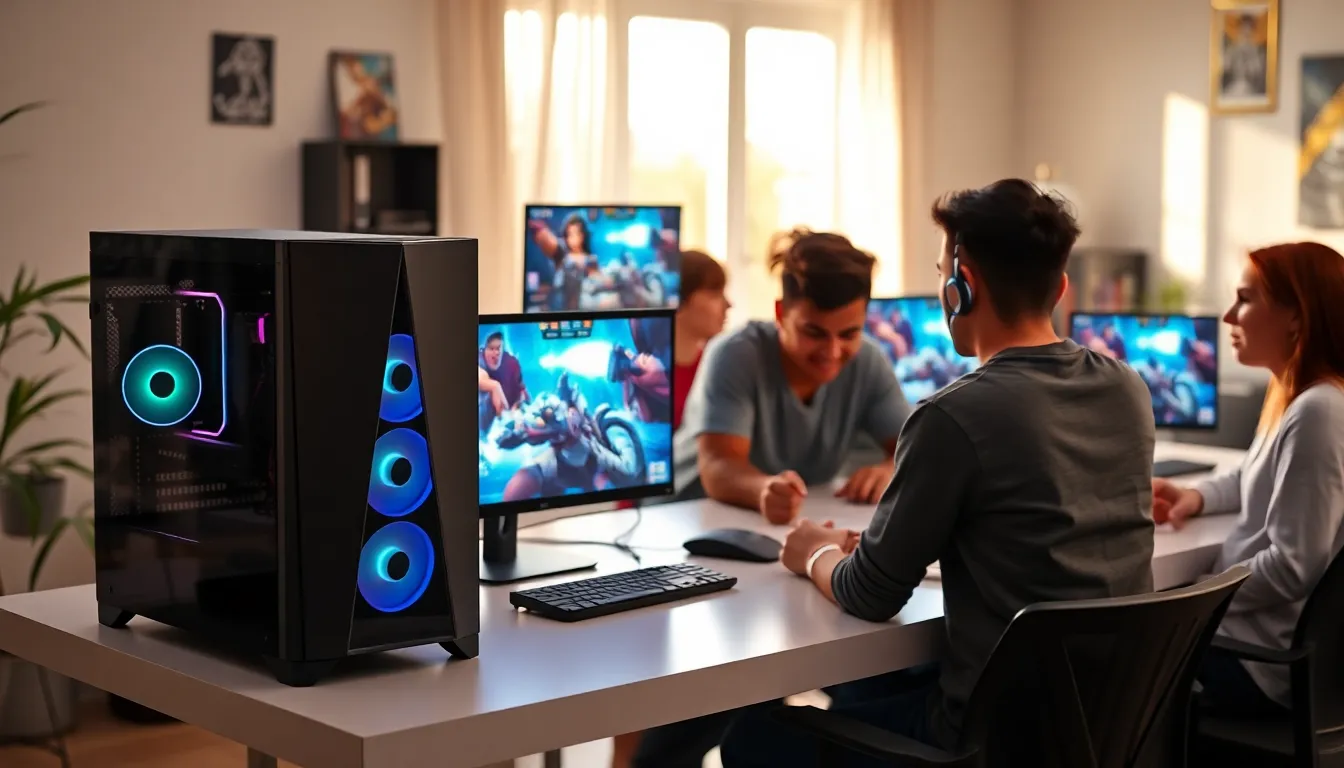
A gaming PC under $500 is a system specifically designed to run video games at an acceptable performance level, but without the hefty price tag that often accompanies high-end machines. Think of it as the entry-level pass to the gaming universe, providing just enough muscle to tackle popular titles.
Typically, this budget range allows for decent graphics quality, reasonable frame rates, and compatibility with most online gaming platforms. While enthusiasts might scoff at these limits, newcomers and casual gamers will find these systems more than adequate. It’s about playing smart, balancing performance with affordability.
Benefits of Building a Budget Gaming PC
Constructing a budget gaming PC presents several enticing benefits:
- Cost-Effective Entertainment: The thrill of gaming doesn’t have to lead to financial ruin. A budget build can provide hours of enjoyment without requiring premium investment.
- Customization: He can tailor every component to suit his gaming preferences. Want a flashy RGB keyboard? Go for it. Prefer silent cooling? His call.
- Learning Experience: Building a PC offers invaluable hands-on experience. He’ll gain a deeper understanding of hardware, helping him troubleshoot issues and upgrade in the future.
- Future Upgrades: Starting with a budget PC doesn’t mean he’s stuck in the slow lane forever. Many components can be upgraded as finances allow, ensuring extended lifespan.
Essential Components for a $500 Gaming PC
Every gaming rig requires certain core components. Here’s a rundown of what to include in a $500 build:
- Processor (CPU): The heart of the PC. Look for something like the AMD Ryzen 3 or Intel i3 series for a balance of performance and price.
- Graphics Card (GPU): This component determines the gaming visuals. Options like the GTX 1650 or Radeon RX 570 are solid choices in this price category.
- RAM: 8GB of RAM is typically sufficient for most gaming tasks: it allows for smooth gameplay without lag.
- Motherboard: Ensure compatibility with the chosen CPU and GPU, adhering to the budget without skimping on essential features.
- Storage: An SSD is preferable for faster load times: a 500GB SSD should fit the budget, providing ample storage for games and applications.
- Power Supply (PSU): A quality PSU prevents future hardware damage. Aim for one that is at least 80 Plus certified for efficiency.
- Case: A well-ventilated case is essential. Look for something economical but functional, keeping airflow in mind.
Recommended Builds Under $500
Here are a couple of recommended configurations that he can consider:
Build 1: AMD Aficionado
- CPU: AMD Ryzen 3 3100
- GPU: ASUS GTX 1650
- RAM: 8GB Corsair Vengeance DDR4
- Storage: 500GB Kingston A2000 NVMe SSD
- Motherboard: MSI B450M Pro-VDH Max
- PSU: Corsair CX450M
- Case: NZXT H510
Build 2: Intel Enthusiast
- CPU: Intel Core i3-10100
- GPU: Gigabyte RX 570
- RAM: 8GB Crucial Ballistix
- Storage: 500GB Crucial P2 NVMe SSD
- Motherboard: MSI H510M Pro-VDH
- PSU: EVGA 500 W2
- Case: Cooler Master Q300L
Both builds keep costs concise while maximally optimizing performance for most gaming experiences.
Tips for Optimizing Performance on a Budget
To stretch every dollar spent on a budget gaming PC, consider the following optimization techniques:
- Adjusting Game Settings: Lowering resolution and detail settings can significantly enhance frame rates. Most modern games have built-in features that allow for easy adjustment, don’t shy away from playing with those sliders.
- Regular Updates: Keeping drivers up to date ensures the system runs smoothly. Graphics drivers, in particular, can lead to performance spikes.
- Cleaning the System: Dust build-up can cause overheating. Regularly clean internal components to maintain optimal airflow.
- Overclocking: For those who are comfortable with advanced settings, overclocking components can provide an extra performance boost, though proceed with caution, it may void warranties.
Future-Proofing Your Budget Gaming PC
Even on a budget, there are ways to ensure his gaming PC remains relevant as games get more demanding:
- Invest in Quality: Buying mid-range components is often a better choice than going for the cheapest option. This approach prolongs the system’s usefulness.
- Modular Upgrades: Consider a motherboard that supports the latest technologies. This way, upgrading RAM or adding a second GPU down the line is an easier task.
- Research Future Games: Knowing which games he intends to play can guide purchasing decisions. Some titles are more demanding than others, so choose components that cater to those needs.


