

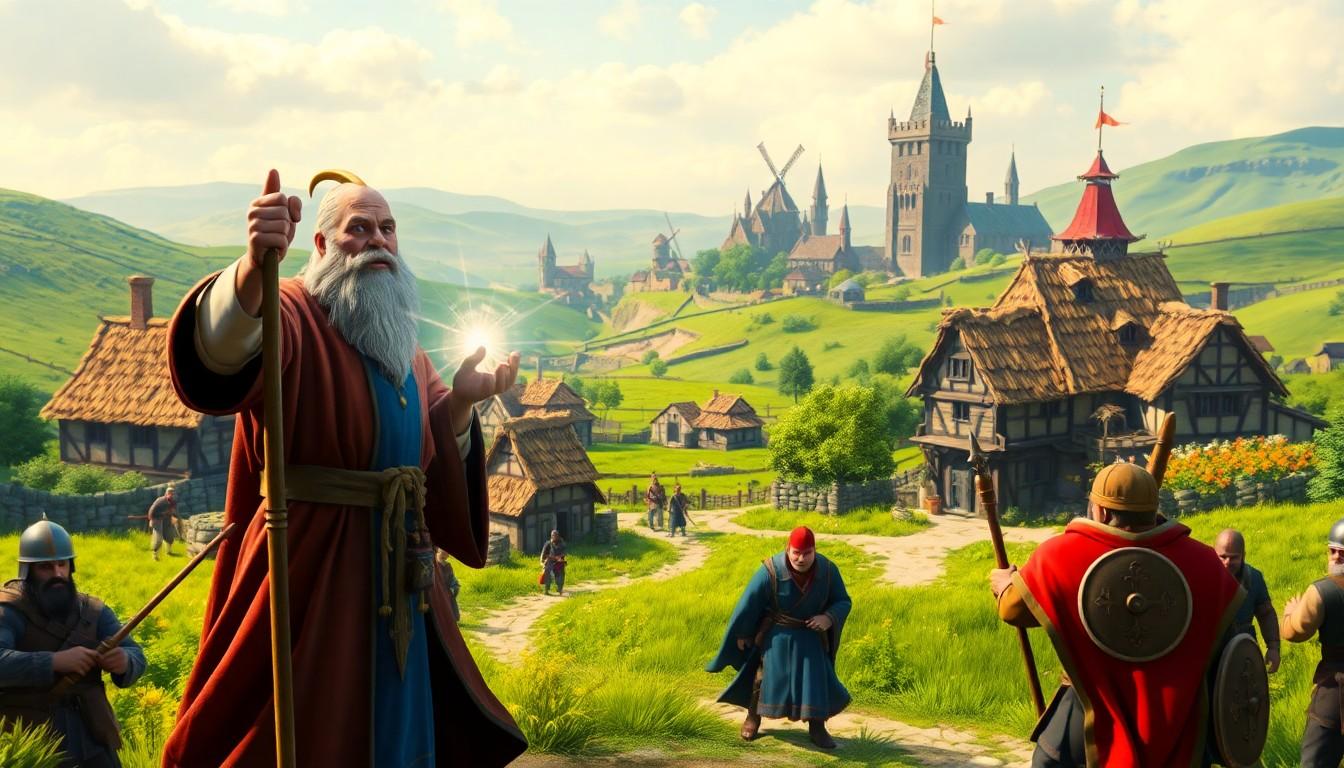
In the realm of real-time strategy games, few phrases ignite nostalgia and laughter quite like “Wololo.” This iconic battle cry from Age of Empires has transcended gaming culture, transforming simple villagers into unstoppable forces with a wave of a priest’s hand. It’s not just a sound; it’s a meme, a battle tactic, and a rite of passage for gamers everywhere.
Overview of Wololo Age of Empires
Wololo serves as a defining feature in Age of Empires, encapsulating its strategic depth and cultural impact. This phrase embodies a memorable aspect of gameplay, representing both a tactical command and an iconic cultural reference.
What Is Wololo?
Wololo refers to the sound made by priests when converting enemy units in Age of Empires. This simple yet powerful word signifies the transformative power of the priest’s actions. Players recognize it as a signal of vital gameplay moments, often leading to unexpected shifts in battle dynamics. The ability of the priest to turn enemies into allies showcases a unique gameplay mechanic that adds depth to strategies.
Significance in Gameplay
Wololo carries significant weight in Age of Empires’ tactical gameplay. Conversions shift the balance of power, allowing players to capture opposing units and strengthen their armies. Players must time their priests’ actions carefully, as successful conversions can lead to turning the tide of battle. Strategically utilizing this command encourages players to think critically about positioning and timing, amplifying the game’s complexity and enjoyment.
Historical Context

“Age of Empires” emerged in 1997, setting a benchmark in real-time strategy gaming. This game, developed by Ensemble Studios, aimed to simulate historical events and civilizations. Players build empires, gather resources, and engage in warfare. The game’s design integrates educational elements with entertainment, attracting a diverse audience.
Origins of Age of Empires
Named after the intricate civilizations it portrays, “Age of Empires” reflects different historical periods, such as the Stone Age and the Middle Ages. Feature innovations included resource management, technology progression, and combat strategies. Utilizing varied civilizations, players experienced unique strengths and weaknesses. The game’s success paved the way for sequels and expansions, expanding gameplay depth.
Evolution of the Wololo Mechanic
The “Wololo” mechanic originated from the actions of priests during gameplay. This unique feature symbolizes the conversion of enemy units, altering game dynamics significantly. Strategic importance grew as players realized successful conversions could shift power balances in battles. Over time, “Wololo” transformed into a tactical symbol, resonating within gaming culture as a catchphrase and meme. Game expansions further refined this mechanic, enhancing its role and strategic implications in multiplayer scenarios.
Gameplay Mechanics
The mechanics of “Wololo” add depth to gameplay in Age of Empires. This action, performed by priests, allows players to convert enemy units to their side, shifting the balance of power in battles.
Wololo in Action
In practice, “Wololo” represents a strategic moment. Priests announce the battle cry as they attempt conversions, which can turn the tide of combat. Successful conversions often lead to overwhelming enemy forces, creating potential advantages. Observing their surroundings is crucial; positioning priests near enemy units increases conversion chances. Players note that timing and patience are essential during these moments, making each “Wololo” a pivotal event in the game.
Strategies for Effective Use
To maximize “Wololo’s” effectiveness, players use several strategies. It’s crucial to protect priests from hostile attacks, ensuring they can function without interruption. Players often build walls or place units nearby as a buffer. Using upgrades increases the range and speed of conversions, enhancing tactical options. Seizing opportunities during enemy engagement can lead to surprise conversions. Anticipating enemy movements also aids in setting up advantageous scenarios. Utilizing the unique ability strategically can shift the balance of power and secure victory in crucial battles.
Community Impact
The phrase “Wololo” has become a cornerstone in the Age of Empires community, significantly influencing player interactions and gaming experiences.
Player Reactions and Feedback
Players often react enthusiastically when priests unleash the “Wololo” battle cry, celebrating successful conversions with excitement. Satisfaction often comes from turning the tide of battle through a well-timed “Wololo.” Feedback indicates that its impact goes beyond gameplay mechanics, fostering camaraderie among players who share exciting stories of near victories. Many players emphasize the thrill of executing a perfect conversion, highlighting how it adds an engaging layer of strategy. Discussions often emerge in forums and social media, demonstrating how “Wololo” resonates deeply in player culture.
Memes and Popular Culture
“Wololo” has permeated popular culture, transforming into a widely recognized meme within and beyond the gaming community. Social media platforms overflow with humorous interpretations of the phrase, illustrating its versatility and appeal. Various memes highlight the absurdity of scenario conversions, depicting elaborate situations that entertain audiences. Merchandising efforts, such as T-shirts and stickers featuring “Wololo,” further legitimize its cultural significance. The phrase’s adaptability to various contexts showcases how gaming culture intersects with broader society, leading to enjoyable references that extend beyond Age of Empires.
Future of Wololo Age of Empires
Anticipation surrounds the upcoming developments in the Age of Empires franchise, particularly regarding the “Wololo” mechanic. Players expect enhancements that elevate gameplay and add depth. Game developers hint at introducing new units, targeting conversions, and expanding priest abilities. Furthermore, community feedback will likely influence these updates, ensuring they align with player desires.
Expected Updates and Changes
Expected updates promise to refine the “Wololo” experience. Developers plan to introduce balance adjustments to the conversion mechanics, making it more challenging or rewarding based on player feedback. New civilizations may include unique priest units with distinct capabilities, changing their strategic value. Innovations in multiplayer modes could incorporate new ways to utilize “Wololo,” enhancing teamwork during competitive play.
Community Speculations
Community speculations abound as players discuss potential future changes. Many players speculate about upcoming expansions that might integrate historical civilizations, breathing new life into “Wololo.” Interest in storyline-driven campaigns also rises, where players might experience pivotal moments tied to the conversion mechanics. Social media buzzes with theories about how these modifications will shape gaming strategies and interactions.
Conclusion
“Wololo” stands as a testament to the lasting impact of Age of Empires on gaming culture. This iconic phrase not only enhances gameplay but also fosters community engagement and shared experiences among players. Its evolution into a meme and cultural reference highlights the game’s ability to resonate beyond its original context.
As the Age of Empires franchise continues to grow and adapt, the significance of “Wololo” is likely to expand further. Anticipated updates promise to deepen its strategic role and keep the excitement alive for both new and veteran players. The legacy of “Wololo” will undoubtedly remain a cornerstone of the Age of Empires experience for years to come.


