

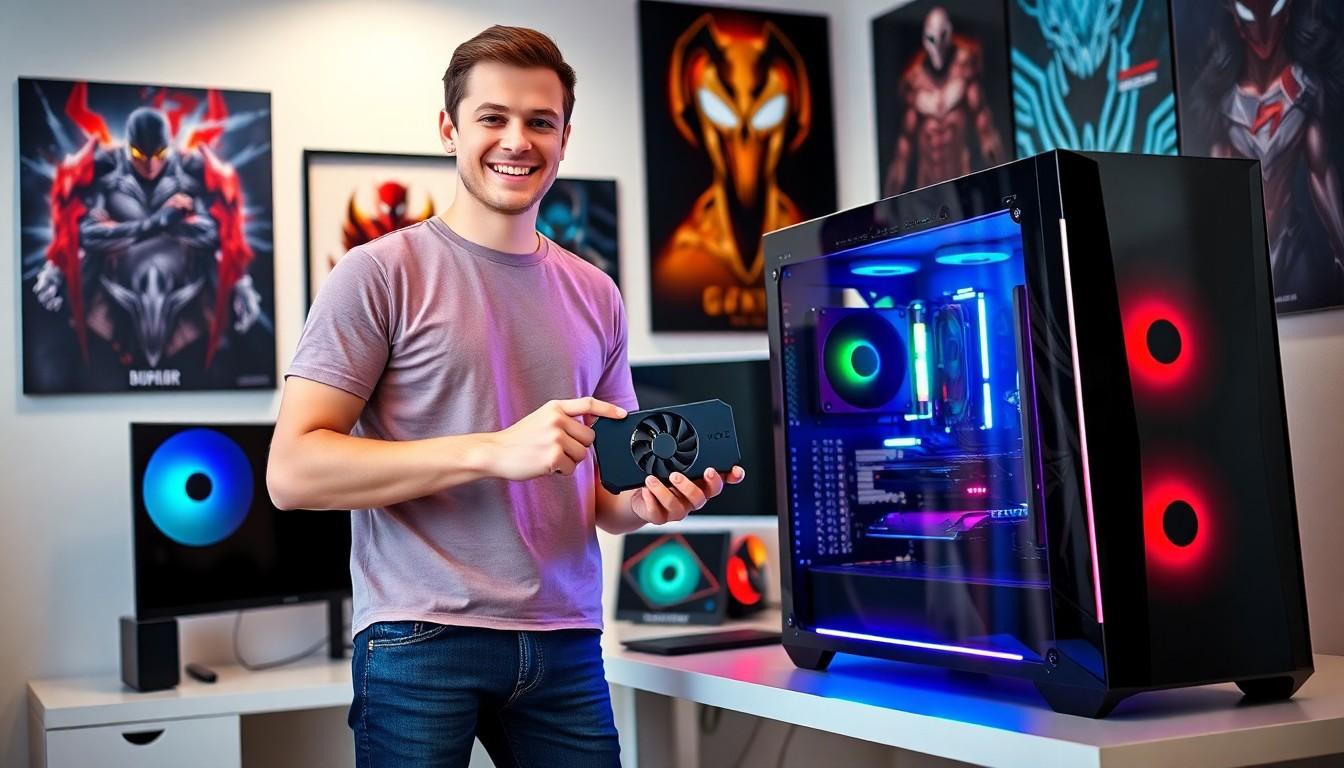
Thinking about selling that gaming PC? You’re not alone. Many gamers find themselves in a love-hate relationship with their rigs. Maybe it’s time for an upgrade, or perhaps you just want to cash in on that sweet gaming gear. Whatever the reason, selling your gaming PC can feel like trying to beat a final boss—daunting yet rewarding.
Reasons To Sell My Gaming PC
Selling a gaming PC can provide several benefits. Players often look to upgrade to better systems or address financial needs, making this process a worthwhile consideration.
Upgrading To A Better System
Upgrades allow gamers to enhance performance and experiences. Newer components like graphics cards and CPUs offer significant advancements in technology. Many find that selling an old gaming rig helps finance these upgrades. A powerful system boosts gameplay and supports the latest titles with higher settings. Gamers regularly seek better frame rates, improved graphics, and faster load times.
Financial Considerations
Selling a gaming PC can lead to considerable financial gain. Many gamers invest heavily in their setups, making them valuable assets. The resale market often appreciates specific components, particularly high-demand ones. Financial flexibility emerges from this process, allowing for other investments. Players can redirect funds toward new games, peripherals, or savings. Conducting research on current market prices ensures better selling strategies. Those prioritizing financial stability might find this decision particularly beneficial.
Preparing Your Gaming PC For Sale

Preparing a gaming PC for sale involves several important steps to maximize its value and appeal to buyers. Gamers often focus on cleaning, maintenance, and gathering relevant documentation.
Cleaning And Maintenance Tips
Start with a thorough cleaning of the exterior and interior components. Dust buildup affects both appearance and performance. Gamers should use compressed air to clean fans and heatsinks. Wiping down surfaces with a microfiber cloth keeps the case looking pristine. Inspect cables for any damage; replacing frayed cables demonstrates care and attention to detail. Checking thermal paste on the CPU and GPU ensures optimal performance before the sale. Maintaining overall cleanliness enhances the PC’s resale value.
Gathering Necessary Documentation
Assembling documentation helps provide potential buyers with essential information. Original receipts verify the purchase of components, adding credibility. User manuals for products demonstrate attention to detail and care for the setup. Warranty information can provide peace of mind, indicating that components remain protected. Listing specifications, upgrade history, and any troubleshooting notes shows transparency; this builds trust with prospective buyers. Having all documentation organized and accessible enhances the selling experience and can lead to quicker sales.
Finding The Right Platform To Sell
Selecting the best platform to sell a gaming PC plays a crucial role in the sales process. Various options exist, each with unique advantages.
Online Marketplaces
Online marketplaces provide extensive reach and exposure to potential buyers. Websites like eBay, Craigslist, and Facebook Marketplace attract numerous gamers searching for deals on used equipment. Freelancing sale platforms also offer selling and bidding features. Listing a gaming PC on these sites requires careful description and quality images to showcase the rig’s capabilities and condition. Competitive pricing based on current market trends enhances the chance of a quick sale. Sellers can use resources like PCPartPicker or Geeks Tech to gauge fair prices for their systems.
Local Selling Options
Local selling options often lead to quicker transactions and reduced shipping concerns. Platforms such as OfferUp and local gaming groups or forums foster face-to-face interaction, allowing buyers to inspect the rig before purchasing. In-person sales provide an opportunity to negotiate and finalize payment securely. Additionally, local classifieds or bulletin boards in gaming stores may attract local buyers seeking a new setup. Utilizing these avenues presents a chance for sellers to build trust and receive immediate cash.
Pricing Your Gaming PC
Pricing a gaming PC involves careful consideration of various factors to ensure a competitive offer in the market.
Evaluating Hardware Specifications
First, assess the key components that influence value, such as the graphics card, CPU, RAM, and storage. High-performance parts like NVIDIA’s RTX series or AMD’s Ryzen chips attract buyers willing to pay more. Next, consider the age and condition of these components. Newer hardware commands higher prices, while older models may require significant price reductions. Additionally, reflect on customizations, such as liquid cooling or RGB lighting, which can enhance appeal. Buyers often look for unique setups that meet specific gaming needs. Lastly, document every spec clearly to instill confidence in potential customers.
Researching Market Trends
Research current pricing trends by checking resale platforms where comparable gaming PCs are listed. Prices fluctuate depending on demand for specific components and gaming performance expectations. Tracking sales on eBay, Craigslist, and other sites gives real-time insights into what similar rigs sell for. Competitors’ pricing strategies reveal valuable information; look closely at listings to gauge how sellers position their systems. Active gaming forums can shed light on community perceptions regarding pricing. Regularly updating this research helps adapt pricing approaches, ensuring a better chance of attracting interested buyers.
Creating An Effective Listing
Creating an effective listing is crucial for attracting potential buyers and maximizing sale value. Buyers seek detailed descriptions and high-quality images to make informed decisions.
Writing A Compelling Description
Craft a compelling description that highlights key features of the gaming PC. Begin with the specifications, such as the graphics card model, CPU type, and amount of RAM, to capture attention. Include your gaming rig’s performance capabilities, noting how it handles recent titles or demanding applications. Mention any notable upgrades or unique modifications to differentiate it from similar listings. Address the condition of the components, stating whether they are new or gently used. Lastly, use direct language to encourage action, reinforcing the benefits the buyer will receive.
Taking High-Quality Photos
Taking high-quality photos enhances your listing and captures buyer interest. Start by ensuring good lighting, as natural light showcases details effectively. Capture multiple angles, focusing on important components like the GPU, motherboard, and cooling system. Clean the PC before photographing to present it in the best condition. Include shots of any accessories, like the original box or manuals, to provide a complete view. Lastly, avoid blurry images, as sharp, clear photos convey professionalism and attract serious buyers.
Conclusion
Selling a gaming PC can be a rewarding venture when approached with the right strategy. By understanding the market and preparing the rig properly, sellers can maximize their returns. The right platform and pricing strategy play crucial roles in attracting potential buyers.
Gamers should take the time to craft compelling listings that showcase their system’s strengths. With the right preparation and attention to detail, selling a gaming PC not only provides financial benefits but also opens the door to upgrading to a more powerful setup. Embracing this process can lead to exciting new gaming experiences.


